Saheefa Jabbar Khattak Controversy 2026 | The Year Pakistan Could Not Stop Talking About Her
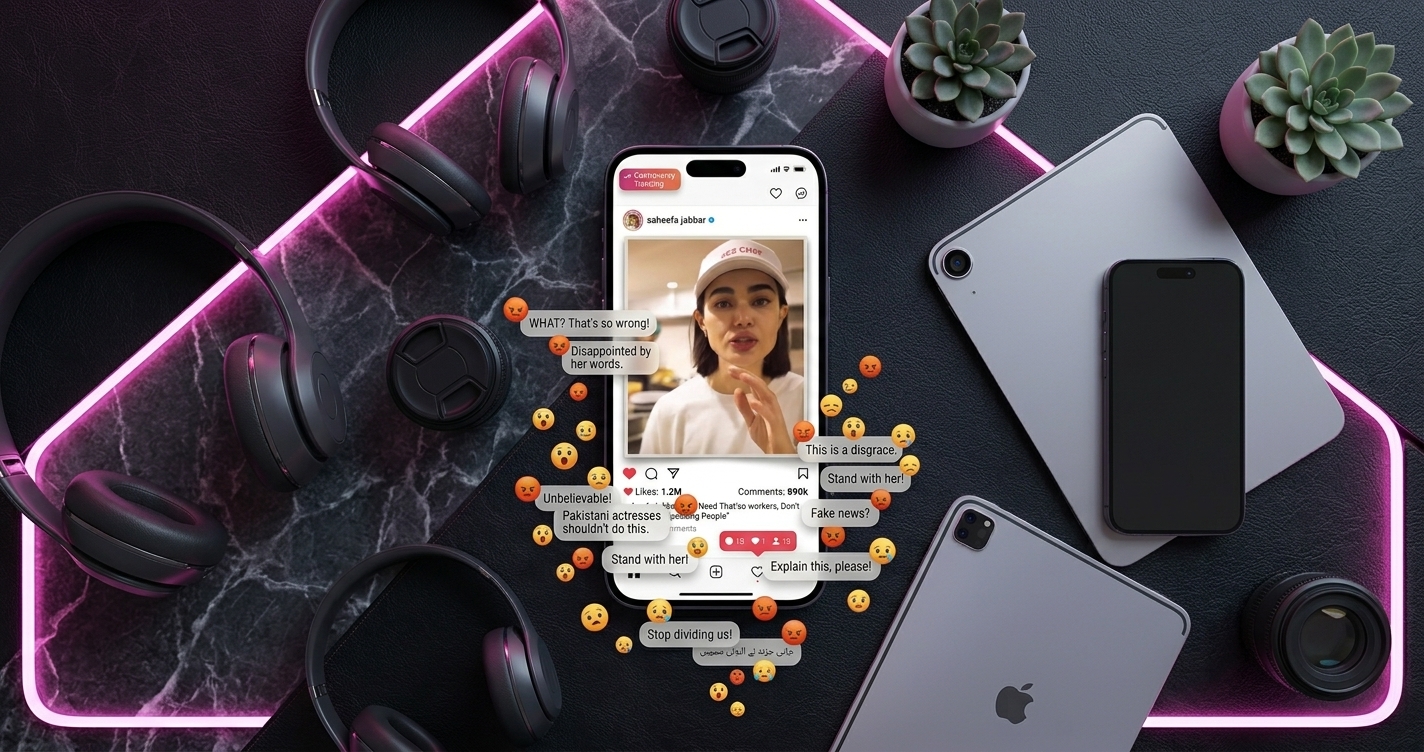
If there is one name that has dominated Pakistani social media debates in 2026 it is Saheefa Jabbar Khattak. The Saheefa Jabbar Khattak controversy 2026 saga is not one single incident but rather a series of interconnected moments that have kept her at the centre of national conversation for months. From a mini skirt clapback to ethnic hiring remarks, fake review floods and bold statements about women’s rights, Saheefa has given Pakistan more to talk about this year than almost any other celebrity. Here is the complete story.
Saheefa Jabbar Khattak Controversy 2026 | The Year Pakistan Could Not Stop Talking About Her

The Saheefa Jabbar Khattak controversy 2026 pattern is one that followers of Pakistani showbiz will recognise immediately. Saheefa has built a reputation over years as someone who speaks her mind without filters, engages directly with criticism rather than ignoring it and refuses to conform to the expectations of what a Pakistani actress or public figure should look or behave like. In 2026 that reputation was tested and reinforced repeatedly as she faced wave after wave of online backlash, each time responding in ways that kept the conversation going longer than her critics expected.
What makes the Saheefa Jabbar Khattak controversy 2026 particularly interesting from a media and cultural perspective is how the debates around her reflect much larger conversations happening in Pakistani society right now. Questions about women’s clothing choices, ethnic stereotyping, celebrity responsibility, digital marketing ethics and the right of public figures to express personal opinions have all surfaced through the various controversies she has been at the centre of this year. Whether you admire her or criticise her, Saheefa has been impossible to ignore.
Mini Skirt Backlash and the Leg Day Clapback | How She Silenced Critics
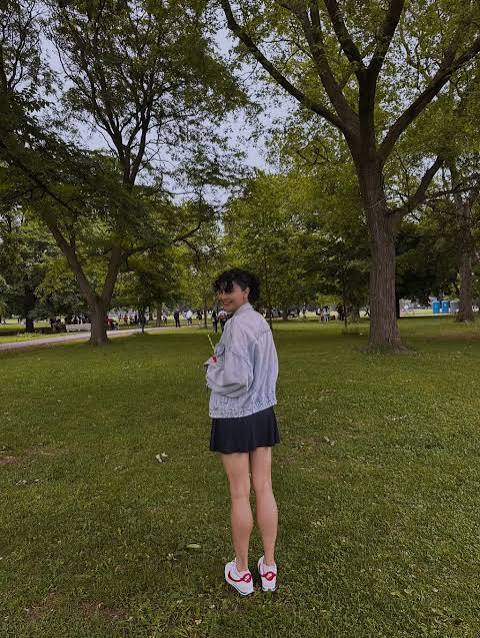
The most viral moment in the Saheefa Jabbar Khattak mini skirt backlash story began when she appeared in a tennis-themed advertisement for a phone company wearing a white mini skirt paired with a shirt and vest. Critics online immediately piled on, with some comparing her outfit to a school uniform and others pointing out that she was on a padel court rather than a tennis court. The backlash spread quickly across X, Instagram and Facebook, with many users calling her outfit inappropriate for a Pakistani celebrity.
Rather than issuing an apology or staying silent, Saheefa’s Saheefa Jabbar leg day Instagram comeback response was both clever and completely unexpected. She took to Instagram and posted a series of photos showing herself confidently wearing mini skirts across entirely different settings — gym looks, street style moments and travel snapshots. The caption read “Leg day kharab na kar yaar,” a phrase that translates roughly to “Don’t ruin my leg day, bro.” The response was widely praised for its wit and confidence, with many social media users calling it one of the best celebrity clapbacks of the year. The Saheefa Jabbar leg day Instagram comeback made her the subject of even more discussion than the original backlash, drawing both renewed criticism from conservatives and strong support from those who saw her response as a statement of personal freedom and self-confidence.
Hiring Remarks Controversy | When Saheefa Said She Preferred Pashtun Staff
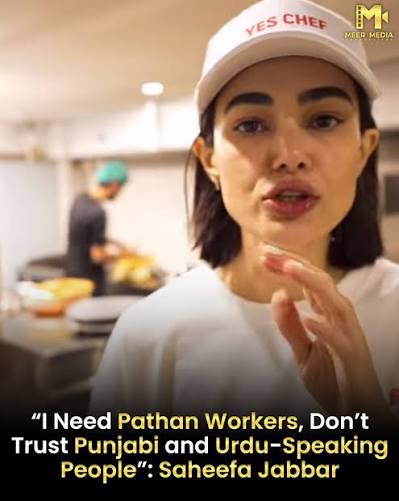
The Saheefa Jabbar Khattak hiring remarks controversy began in early 2026 when she shared a video on Instagram discussing the challenges of finding reliable staff for her restaurant ventures in Lahore, which include Roni’s Pizzeria and Picky Patty. In the video she stated that she preferred to hire Pashtun workers because she considered them more trustworthy, adding that she did not trust Punjabi or Urdu-speaking people for her restaurants.
The Saheefa Jabbar Khattak hiring remarks controversy triggered an immediate and intense wave of backlash online. Critics from multiple communities accused her of promoting ethnic stereotypes and discriminatory attitudes in a public setting, arguing that her comments were divisive and irresponsible given her large following. Calls for a boycott of her restaurants began trending, with some users leaving negative reviews online in protest. The Saheefa Jabbar Ronis Pizzeria fake reviews crisis then escalated when Saheefa claimed that following the controversy her restaurants received a sudden surge of fake negative reviews overnight, flooding her ratings and threatening her business. She addressed this directly in a series of emotional Instagram stories that described the pressures of running a business as a sole proprietor, revealed health struggles and emphasised her long-term ambitions to build a globally recognised food brand from Pakistan. Shortly after, a video surfaced in which she appeared relaxed and smiling while someone on a call asked whether her marketing strategy had worked, and she responded with the line “Don’t you think it is already a case study?” — a remark that reignited criticism from those who felt the entire controversy had been orchestrated for attention.
Women Rights and Moral Policing | Her Strongest Statements Yet
Beyond the fashion and business controversies, the Saheefa Jabbar women rights moral policing Pakistan conversation represents perhaps the most substantive and serious aspect of her 2026 public profile. Following sustained criticism about her personal choices and appearance, Saheefa posted a series of messages on Instagram addressing what she described as a culture of moral policing directed at women in Pakistan. She argued that persistent attempts to regulate women’s clothing choices and personal decisions were not trivial social matters but were directly connected to broader patterns of gender-based harm in Pakistani society.
The Saheefa Jabbar women rights moral policing Pakistan statements drew both strong praise and fierce criticism. She linked the everyday judgment and shaming that women face for their appearance to more serious forms of violence including domestic abuse, acid attacks and other forms of gender-based violence, arguing that these behaviours share a common root in a culture that denies women autonomy. The Saheefa Jabbar Khattak controversy 2026 reached perhaps its most serious tone in these posts, moving the conversation well beyond celebrity gossip into a genuine debate about women’s rights, public culture and the responsibility of those with platforms to use them thoughtfully and consistently.
Marketing Genius or Controversy Queen | Pakistan Cannot Decide
The question Pakistan has been asking all year is whether the Saheefa Jabbar Khattak controversy 2026 cycle is the result of a genuinely outspoken personality who refuses to conform, a calculated digital marketing strategy or some combination of both. Her own “case study” remark after the hiring controversy gave ammunition to those who believe her controversies are at least partly engineered for attention and brand visibility. Her emotional and deeply personal posts about business struggles, health difficulties and women’s rights suggest a more complex and authentic public figure who is navigating the pressures of celebrity, entrepreneurship and social expectations simultaneously.
What is undeniable is the result. Saheefa Jabbar Khattak ended 2026’s first half as one of the most discussed and debated celebrities in Pakistan, with her name consistently appearing in trending searches, social media hashtags and opinion pieces across the country’s digital media landscape. Whether Pakistan ultimately praises or criticises her, one thing is clear — it cannot stop talking about her, and in the age of social media that itself is a form of success.
For more showbiz news and viral celebrity stories visit pakified.com. Read our latest showbiz coverage at pakified.com/category/showbiz. Follow us on Instagram and X for the latest celebrity updates.
This article is published for information purposes only. PakiFied does not promote, endorse or take any position on the matters discussed. All information is sourced from publicly available reports and official statements.