


Pakistan has taken center stage in one of the most dangerous conflicts the world has seen in decades. The Asim Munir Tehran Visit has captured global headlines and confirmed that Pakistan has become the single most important diplomatic player in the ongoing US-Iran war. Field Marshal Asim Munir travelled to Tehran carrying a message from Washington to the Iranian leadership — a bold and historic move. This is what Pakistan diplomatic role 2026 truly looks like in action.
What Is the US-Iran War About?
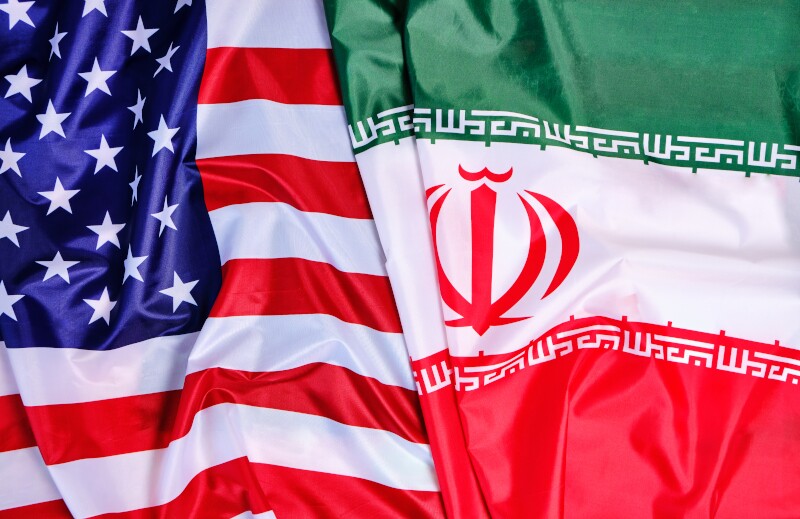
On 28 February 2026, the United States and Israel launched coordinated airstrikes against Iran, targeting military sites, nuclear facilities, and key government leadership. Iran responded with missile and drone strikes and closed the Strait of Hormuz, triggering a massive surge in global oil prices. The war killed thousands and caused widespread destruction. After 40 days of conflict, a fragile two-week ceasefire was brokered on April 8, 2026, largely through Pakistan US Iran mediation 2026 efforts.
Why Did Pakistan Get Involved in US-Iran Mediation?

Pakistan’s involvement was no accident. It shares a border with Iran, has deep ties with Gulf states, sits close to the Strait of Hormuz, and does not host US military bases — making it trusted by both sides. US President Donald Trump publicly praised Munir, calling him his “favourite field marshal” and saying future US Iran Islamabad talks were “more likely” because of Pakistan’s outstanding mediation work.
What Was Asim Munir’s Mission in Tehran?
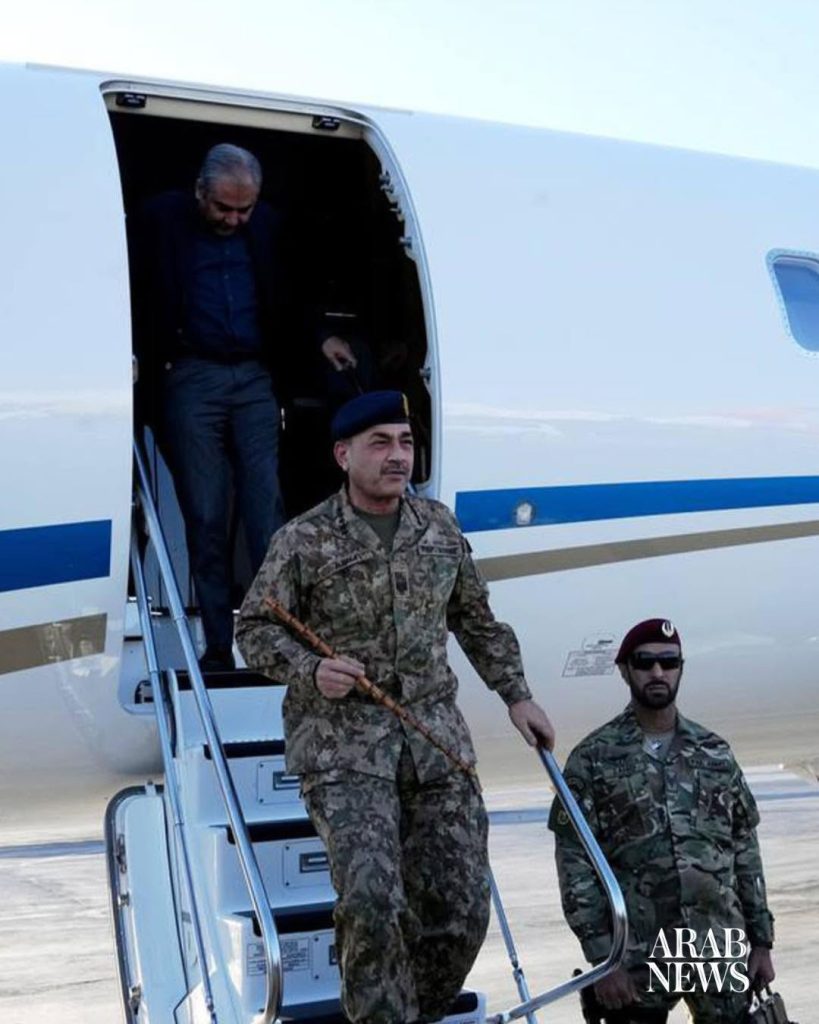
The Asim Munir Tehran Visit was a three-day mission. Munir led a delegation including Interior Minister Mohsin Naqvi. Iranian Foreign Minister Abbas Araghchi received them warmly. The mission had two goals — deliver a US message to Iranian leadership and plan the second round of US Iran Islamabad talks. Munir also visited Iran’s Khatam al-Anbiya Central Headquarters. Pakistani mediators told Al Jazeera they were hopeful about a breakthrough specifically on the Asim Munir nuclear deal front.
What Happened at the Islamabad Talks?
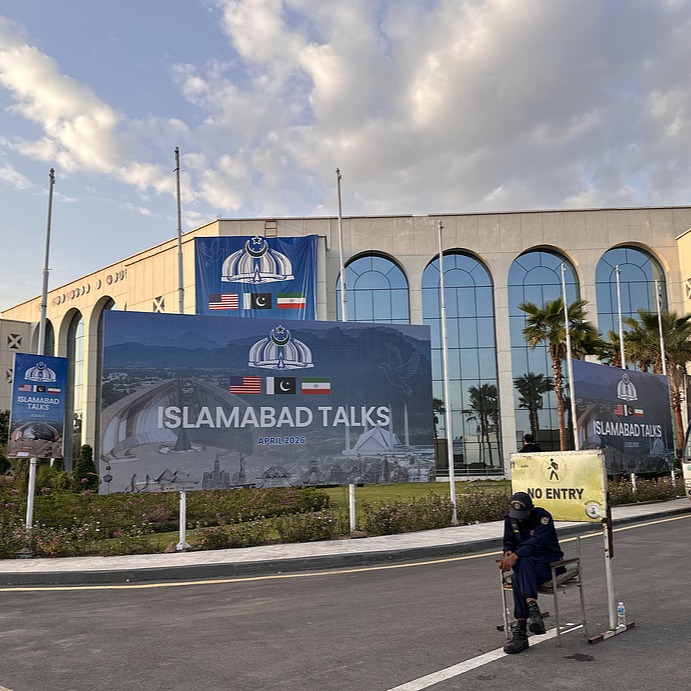
The historic US Iran Islamabad talks took place on April 11 and 12 — the highest-level US-Iran meeting since the 1979 revolution. The US delegation was led by VP JD Vance. Iran’s by Parliamentary Speaker Ghalibaf. Pakistan’s by PM Shehbaz Sharif and Asim Munir himself. After 21 hours of negotiations the talks ended without a final deal. However Iran said they were “inches away from an MoU.” The Asim Munir Iran talks in Tehran followed immediately to keep momentum going.
What Are the Three Key Issues on the Table?

Three major issues remain unresolved. First, Iran’s nuclear programme — the US demands complete dismantlement while Iran refuses to surrender its nuclear rights. This is the core of the Asim Munir nuclear deal effort. Second, the Strait of Hormuz — the US wants it fully reopened without tolls. Third, sanctions relief — Iran demands comprehensive lifting of all US sanctions before any deal. These three issues are what Pakistan diplomatic role 2026 is working around the clock to bridge.
What Does This Mean for Pakistan’s Future Role in Global Diplomacy?
Pakistan has emerged as host of the most consequential peace talks since the Cold War. Trump’s repeated praise for the Asim Munir Iran talks has given Pakistan rare global credibility. Pakistani officials now call this effort the “Islamabad Process” — a lasting diplomatic framework. If Pakistan successfully brokers a deal, it will be one of the greatest diplomatic achievements in the country’s history.




2 thoughts on “Asim Munir Tehran Visit: Pakistan Steps Up as the World’s Most Critical Peace Mediator”